The France planner — Edition 2026

France, arranged region by region, the way a route actually wants to be travelled.

Five planning files. Each one sets out where to sleep, how many days the region can carry, which trains and roads connect it to the next, and the trade-offs nobody mentions until you are standing on the platform with a suitcase.

  • 5Regional planning files
  • TGVBackbone of every route here
  • 2–4Bases per two-week trip

The index

Five regions, five planning files

Read the region you are building around first, then the one you plan to pair with it. Every file closes with the connections out — which train, which road, and how long it realistically takes with luggage.

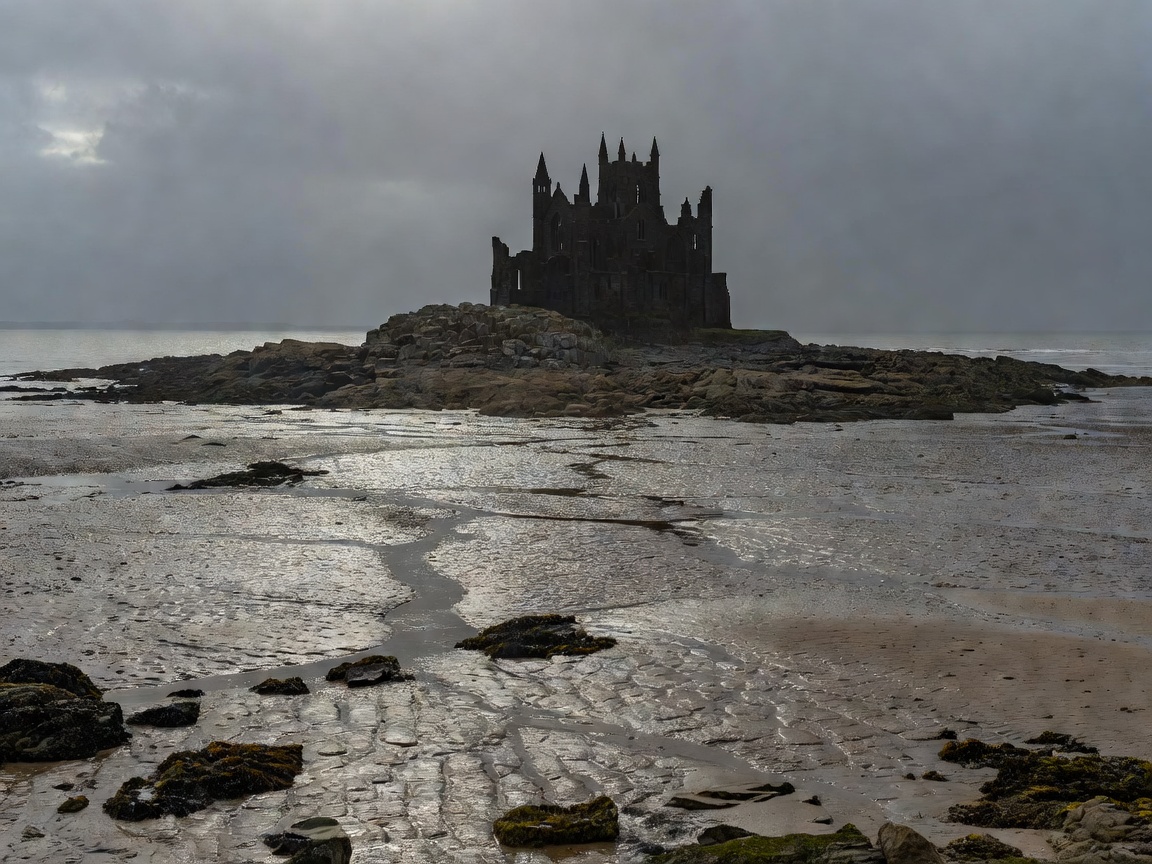
Tidal bay at low water with an abbey silhouette rising from a rocky island

File 05 — Normandy & the Mont

Normandy & Mont Saint-Michel: tides, landing beaches and cliff coast

The one region in this planner where the clock is set by the sea rather than by opening hours. Choose a base between Bayeux, Caen, Rouen and Honfleur, decide whether to drive or use guided transport for the D-Day sites, and time the Mont around the tide tables and the shuttle queues rather than around lunch.

  • 4–6 days
  • Car or tour
  • Tide-timed
  • Coastal weather
Read the Normandy file

Method

How we sequence a French itinerary

01

Fix the bases before the days

Count the number of hotel changes you are willing to make, then divide the trip. Two bases for a week, three or four for a fortnight. Every extra move costs roughly half a day in packing, check-out and transfer time, and that half day almost always comes out of the region you were most excited about.

02

Let the rail map draw the shape

High-speed lines radiate from Paris rather than looping between the regions, so a triangle usually works better than a circle. Lyon, Avignon, Bordeaux and Rennes are all fast from the capital; the awkward legs are the lateral ones, and those are where a hire car or a slower regional train earns its place.

03

Decide where the car starts and ends

Cars are a liability in Paris and Lyon and close to essential in the Luberon and inland Normandy. Pick the station where you collect the car and the station where you drop it, and keep the city nights car-free so you are not paying for secure parking you cannot use.

04

Book the fixed points, leave the rest loose

Timed-entry sites, one or two special dinners and long-distance train legs are worth reserving early because they are the items that sell out or rise in price. Everything else — markets, beaches, village afternoons — works better as a shortlist you draw from according to the weather.

What this planner does not do

We do not publish live prices, invented review scores or claims to have personally inspected every hotel and restaurant in France. Fares, opening hours and tide times change constantly, so each file tells you which official source to check — the national rail operator, the local tourist office, the site’s own booking page — and when in the planning process to check it. For anything specific to your dates, send us the question.